
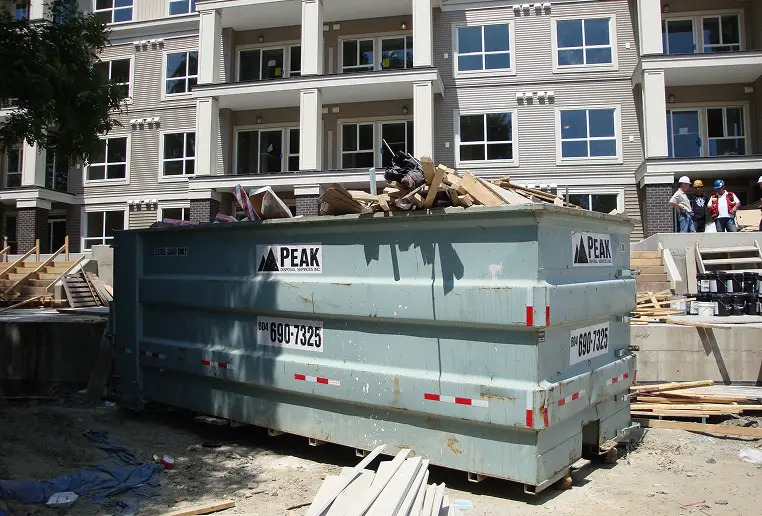
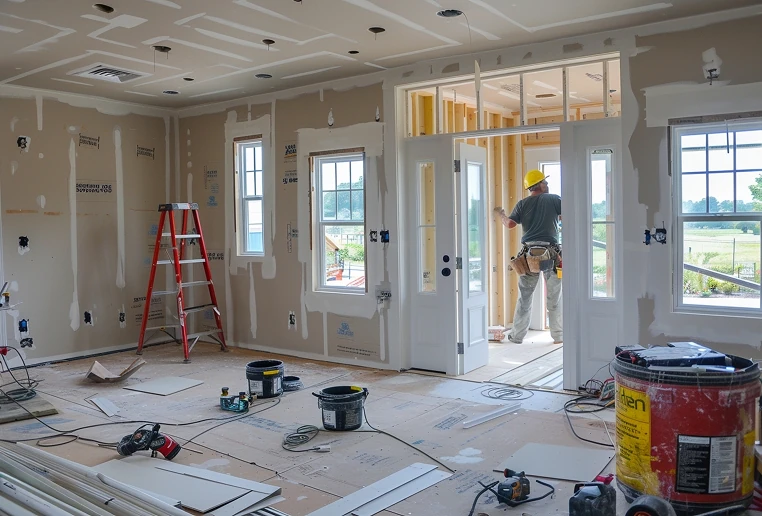
Construction projects generate ongoing debris throughout demolition, building, and renovation phases. Peak Disposal provides construction bin rental for contractors, builders, developers, and project managers who need dependable bin service, flexible scheduling, and coordinated hauling support.
Construction bins are designed for projects generating ongoing debris rather than occasional household waste.
Construction bin rental helps maintain cleaner job sites, reduce debris accumulation, and support more organized waste management throughout active work phases.
Unlike temporary cleanup bins, construction bins are intended for ongoing loading, heavier material streams, recurring hauling coordination, and flexible swap schedules that align with evolving project conditions.
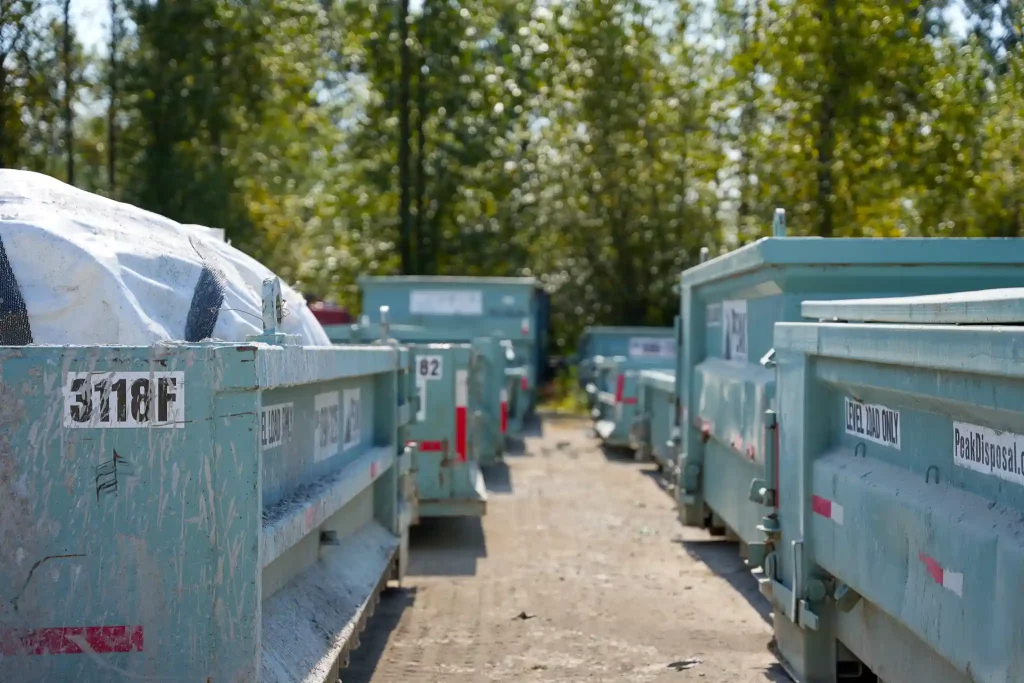
Construction bin rental becomes especially important on projects where:
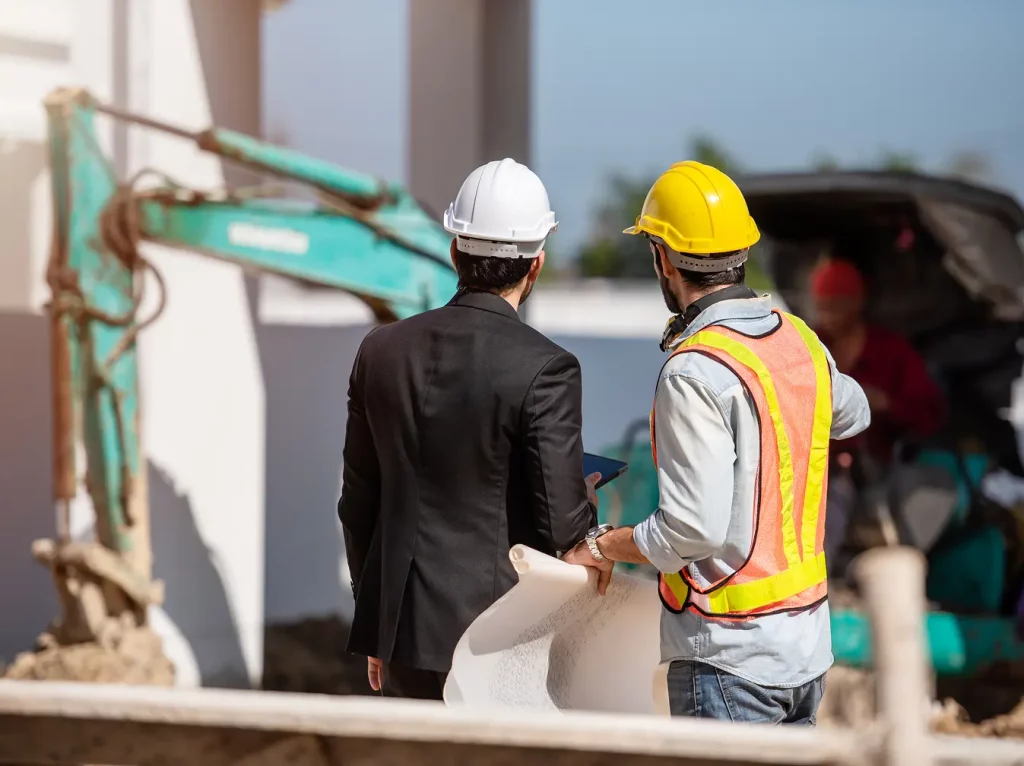
Different construction projects generate different types and volumes of debris. Choosing the correct construction bin helps reduce hauling delays, prevent overloaded containers, and maintain more efficient job-site operations.

Concrete, Soil, Rock, Dense Materials
Best for:
Concrete & Dirt Disposal
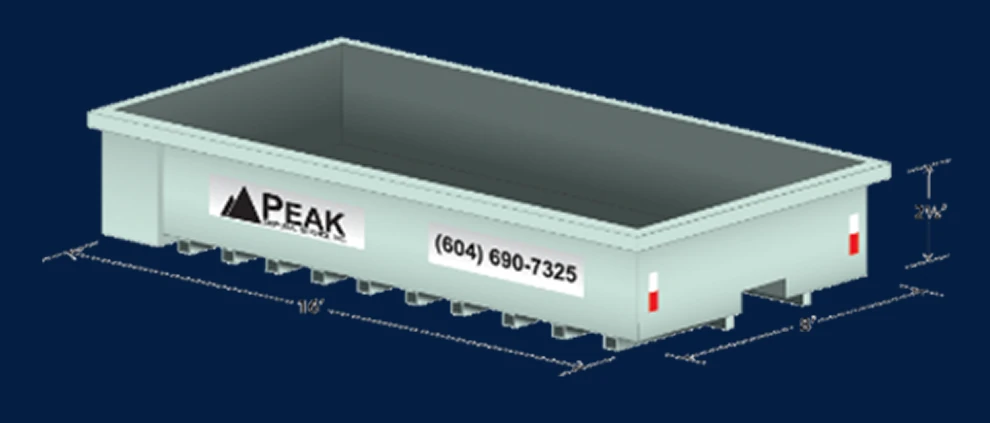
Concrete, Masonry, Dense Debris
Best for:
Heavy-Debris Removal
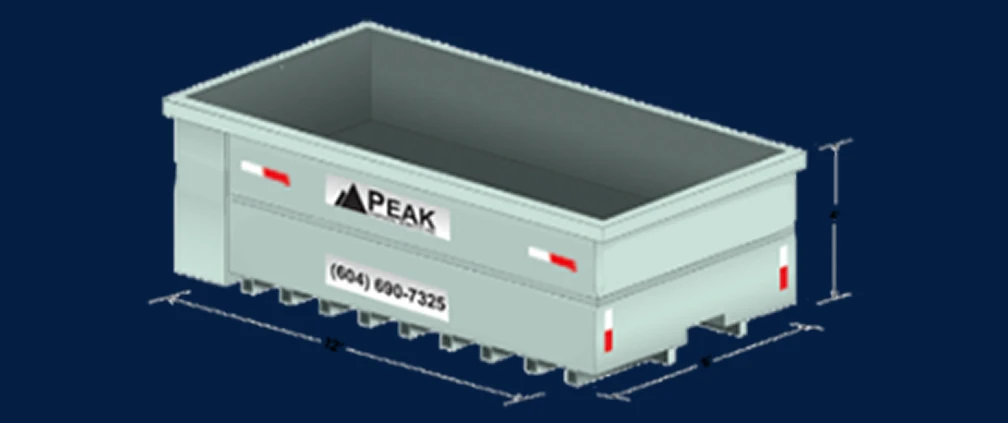
Drywall, Flooring, Demolition Waste
Best for:
Renovation & Tenant Improvements
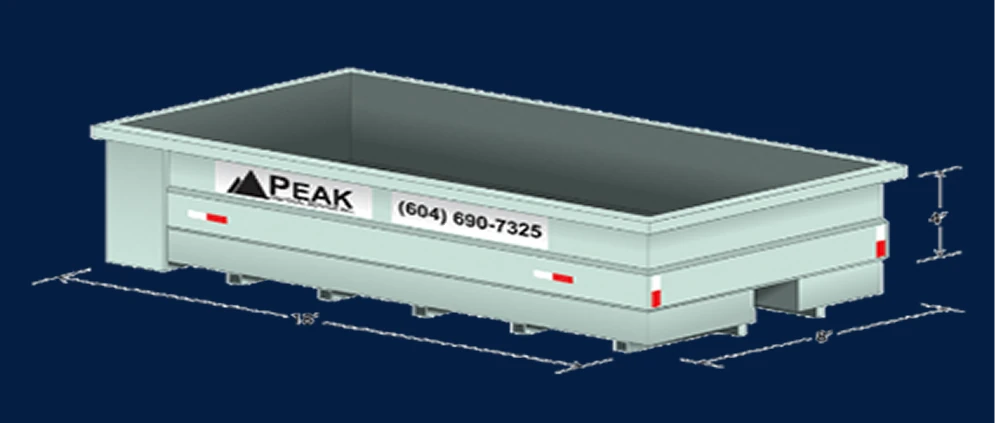
Mixed Construction Debris
Best for:
Active Construction Projects
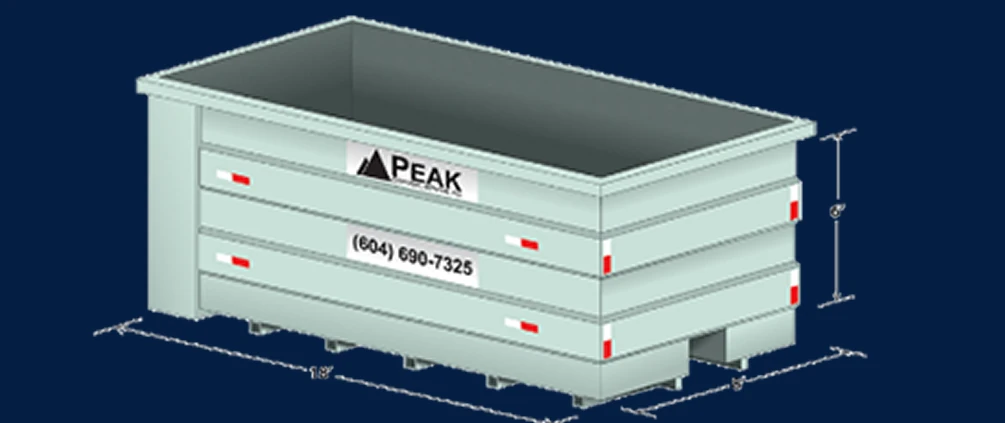
Large Demolition Waste
Best for:
Commercial Construction
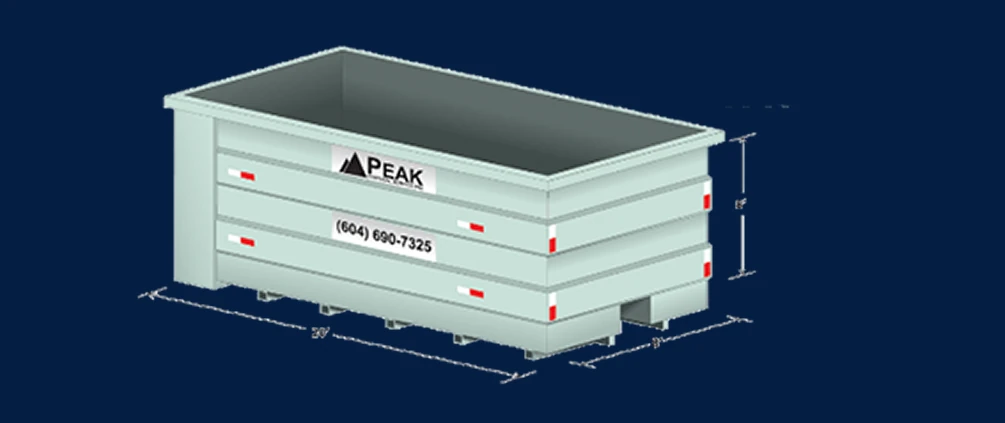
Bulky Construction Materials
Best for:
Multi-Phase Construction Projects
Important: Heavy materials such as concrete, soil, brick, asphalt, and masonry debris are generally restricted to smaller bins to maintain safe transportation weight limits and improve hauling efficiency.
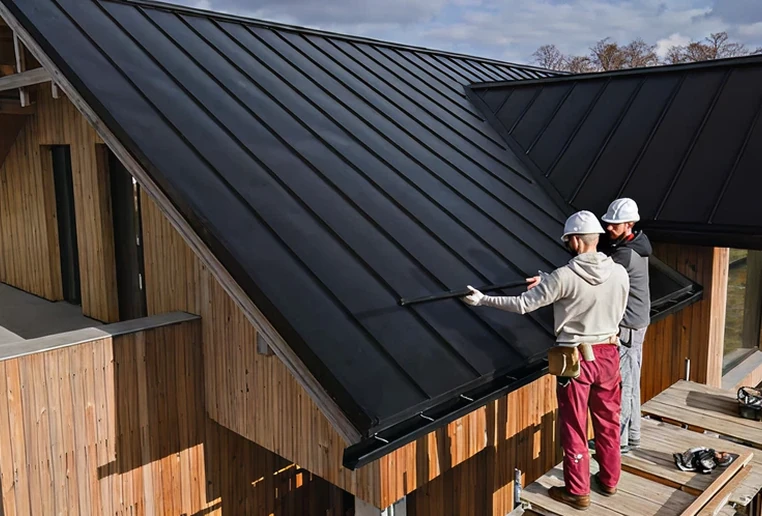
Construction debris can build up quickly once active work begins. Demolition waste, packaging materials, drywall offcuts, wood waste, roofing materials, and mixed debris can quickly affect site organization and workflow efficiency.
Choosing the correct construction bin early helps maintain safer job sites, improve debris management, and reduce avoidable hauling interruptions throughout the project lifecycle.
Dispatch can help coordinate:
Construction bins are intended for non-hazardous construction, demolition, and renovation debris.
Important: Certain materials may require separate disposal procedures depending on contamination risks and local disposal requirements.
Construction bin rental pricing depends on several operational factors beyond the size of the container itself.
Key pricing considerations include:
Heavy materials such as concrete may reach transportation weight limits long before a bin appears visually full. Projects operating in dense urban areas may also require additional coordination for placement, pickup, and hauling access.
Because of this, construction bin rental pricing is generally based on both project requirements and material type.
Construction projects rarely generate debris at a perfectly steady pace. Demolition work, framing phases, tenant improvements, and finishing stages often create different hauling requirements throughout the project timeline.
Peak Disposal coordinates construction bin rental based on active project conditions, with dispatch support available for scheduling adjustments and recurring hauling coordination throughout active work phases.
Material types, debris volume, and access conditions are reviewed.
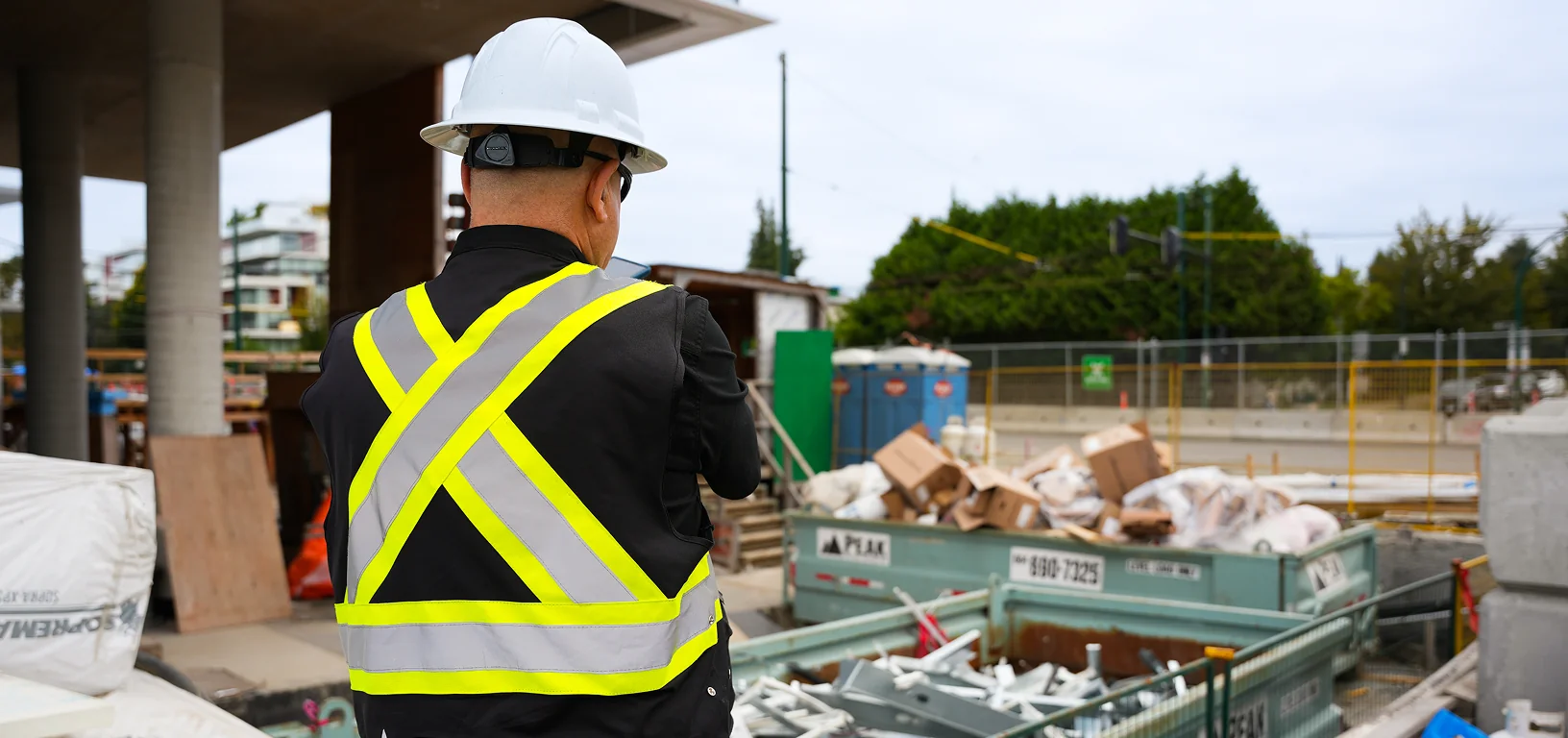
Construction bins are positioned based on site layout, loading efficiency, and access requirements.
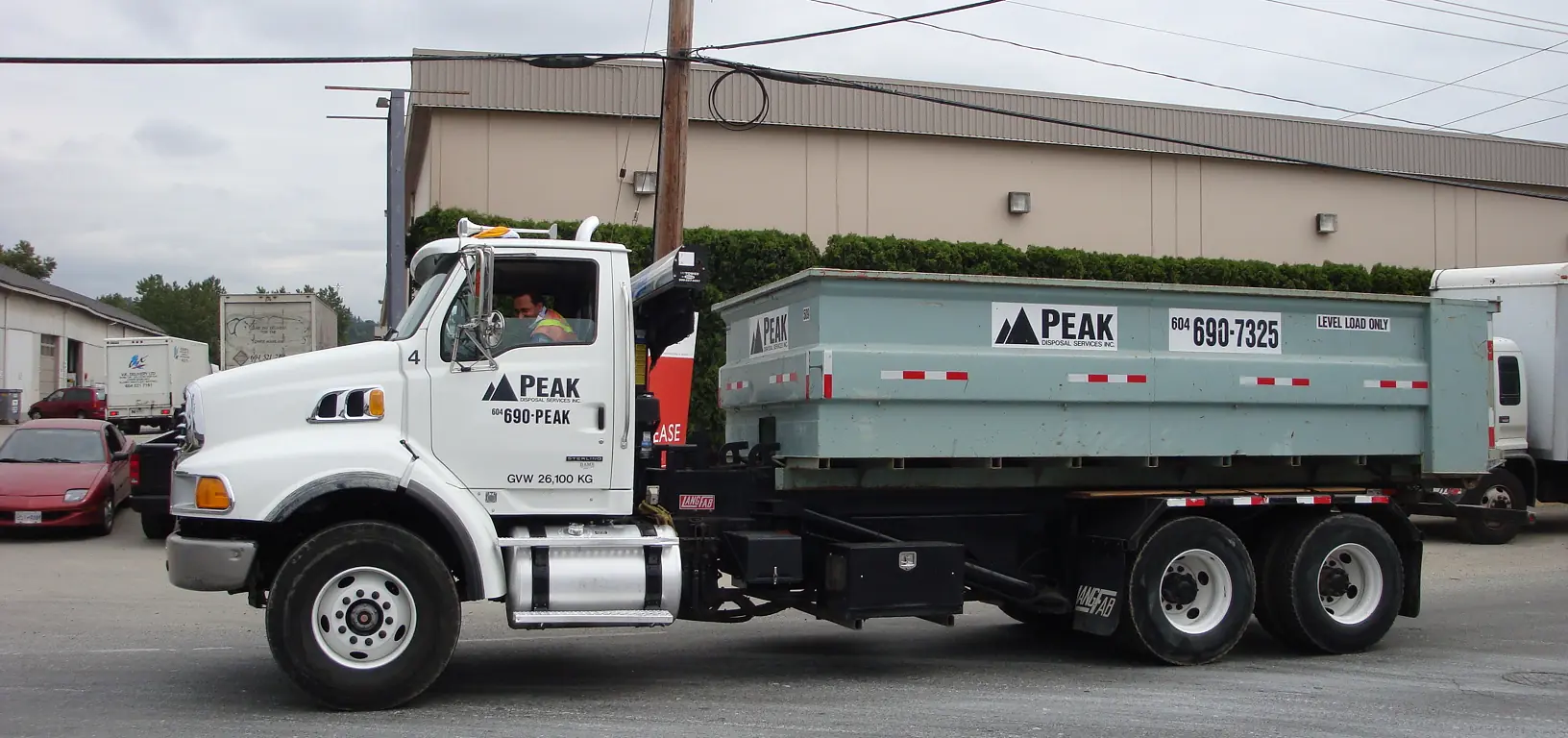
Swap coordination is available through dispatch once bins approach capacity.
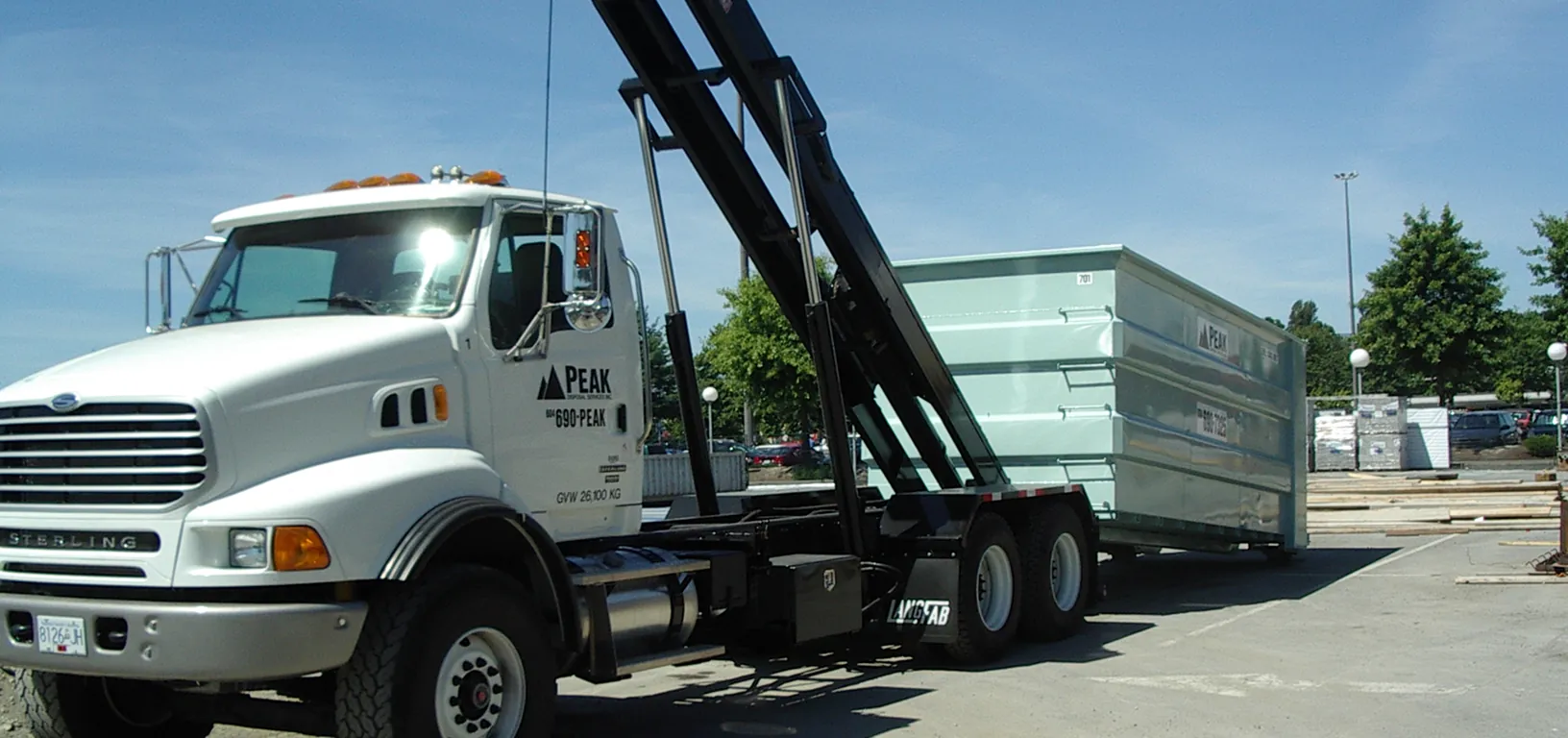
Construction debris is hauled to licensed disposal or recycling facilities for sorting and processing.
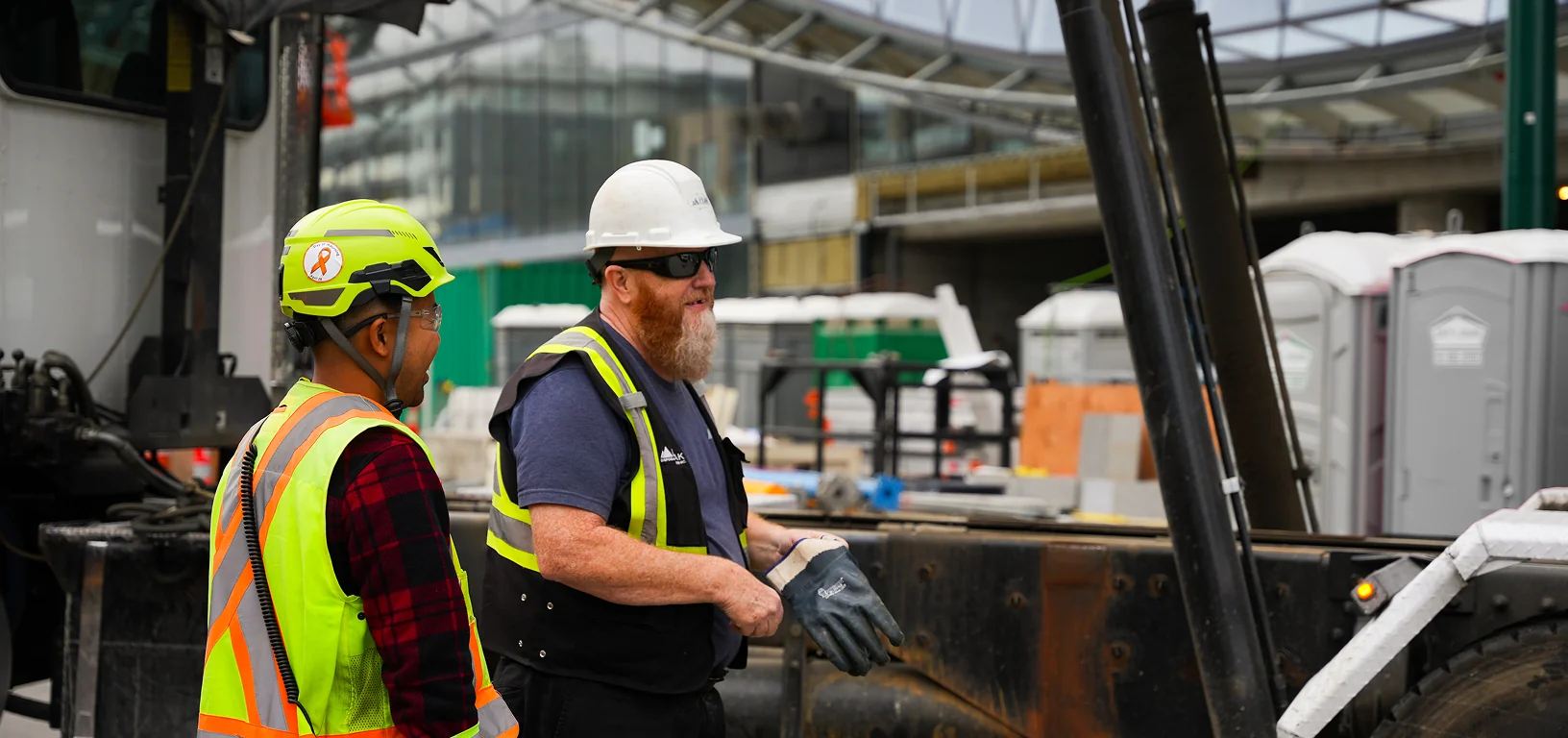
Same-day or next-day delivery may be available depending on location and dispatch scheduling.
Construction projects vary significantly depending on debris volume, material streams, project duration, and hauling requirements.
Organized scheduling and coordinated hauling support help maintain cleaner job sites, safer work conditions, and more efficient project workflows.
Construction waste handling is often influenced by site-access conditions, permit requirements, placement limitations, local bylaws, and operational constraints that affect how bins are delivered, loaded, and hauled throughout active projects.
Construction bin placement may be affected by:
Projects placing bins on public streets or lanes may require permits depending on local regulations. In narrower residential areas or commercial corridors, placement planning becomes especially important to maintain vehicle and pedestrian access.
For many projects, waste removal logistics must be coordinated alongside broader site-access planning.
Peak Disposal supports construction projects with organized hauling coordination, flexible scheduling, and practical bin placement support for active job sites throughout Metro Vancouver.
Responsive dispatch coordination helps reduce avoidable disruptions while maintaining efficient waste removal throughout changing construction phases.
Suite 205, 145
Schoolhouse Street
Coquitlam BC V3K 4X8
Dispatch (604) 690-7325
Office (604) 951-1177
Monday - Saturday: 7:00 AM - 5:00 PM
Sunday: Closed
Serving Burnaby, Vancouver, and surrounding areas
To successfully solve all the issues related to construction waste management, we have established Long-term and stable partnerships with various clients
"Efficient service, the delivery and pick up of the bin was provided on a timely manner, great service."
"Excellent service! Friendly employee dropped off the bin as requested on time. We had to request keeping the bin longer than what was quoted and they managed to do that for us. I would highly recommend and would use their services again if needed. Thanks so much!"
"I was amazed how fast the bin came after my call. The contractor I was using was expecting a 48 hour wait. I called Peak and we had a bin within 3 hours. Great service."
"Easy setup and solid delivery team. will be using again"
"Use them for work and home. Good price. Great service. Always a quick response. "
Peak Disposal provides construction bin rental support for:
For projects generating multiple waste streams, coordinated hauling schedules and appropriate bin sizing can help improve site organization and debris management efficiency.
Construction waste management affects more than cleanup alone. Organized hauling support helps maintain:
Scheduling that adapts to changing project conditions
Faster replacement when bins approach capacity
Faster scheduling updates and hauling support
Responsible processing through licensed facilities
Organized pickups that reduce workflow interruptions

This operational approach helps construction bin rental function as part of the overall project workflow rather than as a source of avoidable delays or disruptions.
Find local service information for the Vancouver Lower Mainland and parts of the Fraser Valley.
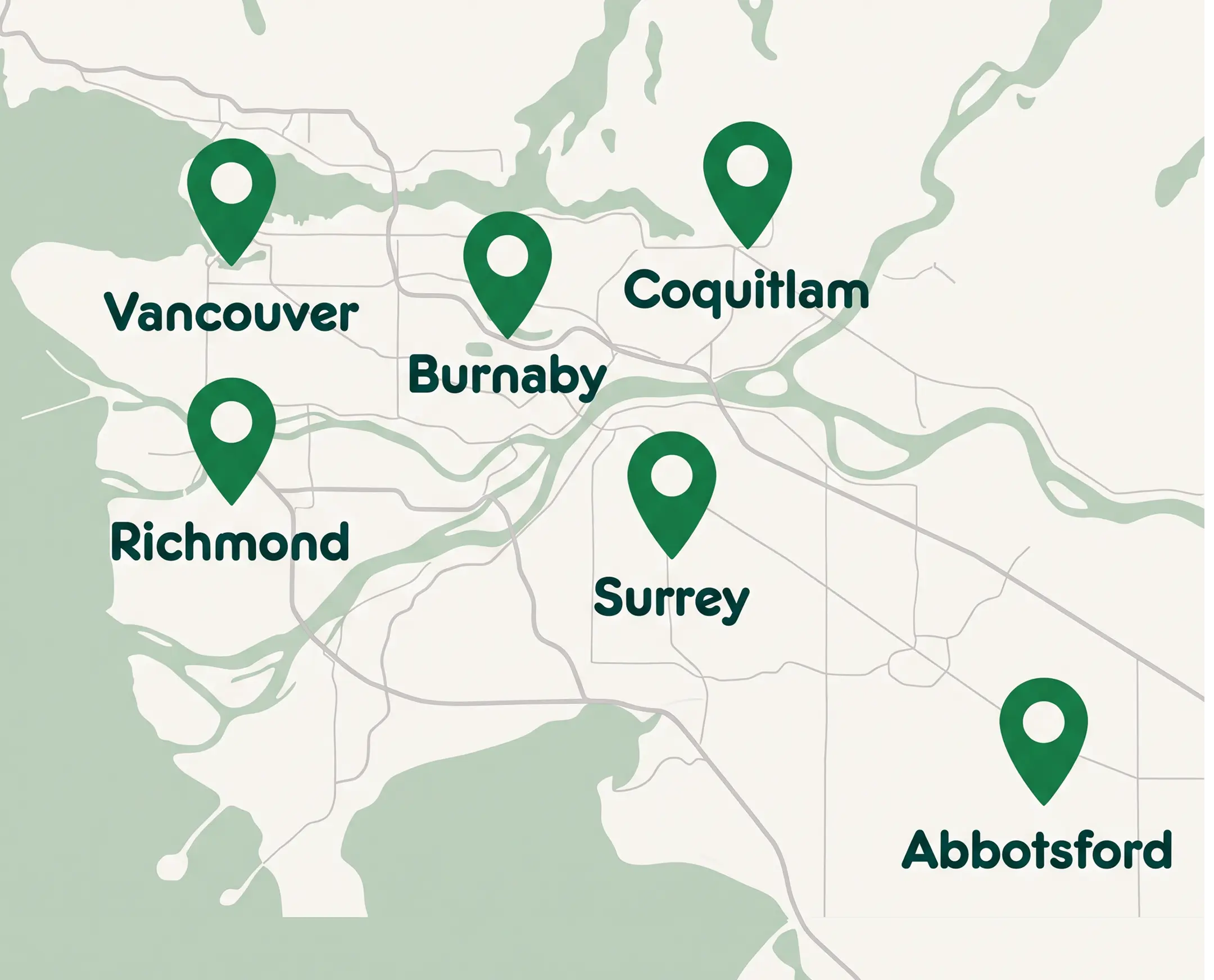
Service availability varies by address and project. Please confirm with dispatch before booking.
The bins "roll-off" the rear of the truck. This will require an additional 30 feet to 50 feet to place on top of the length of the bin. On the street this will be approximately 4 car lengths.
We give our driver latitude on placement of containers. Our drivers have the final say on determining if a bin is safe to place where you want it. Factors such as the turning radius of the truck, space needed to drop the bin, low hanging power lines, tree branches, car ports, or garages can all influence where our driver can ultimately place the bin. Always have a plan B as to where you want the bin placed.
*Note that you must be on location if you have special placement instructions.
Yes. Our containers and trucks are very heavy. We prefer to place the bin on a hard level surface. Surfaces such as lawns (especially when damp) and asphalt driveways (under hot summer sun) are susceptible to damage. We make every effort to avoid damage to your property by placing wood down for the bin rails to sit on. This will cut down on possible scratching or damage of your driveway, but we will not be responsible for damage done due to placement or pickup of our bins.
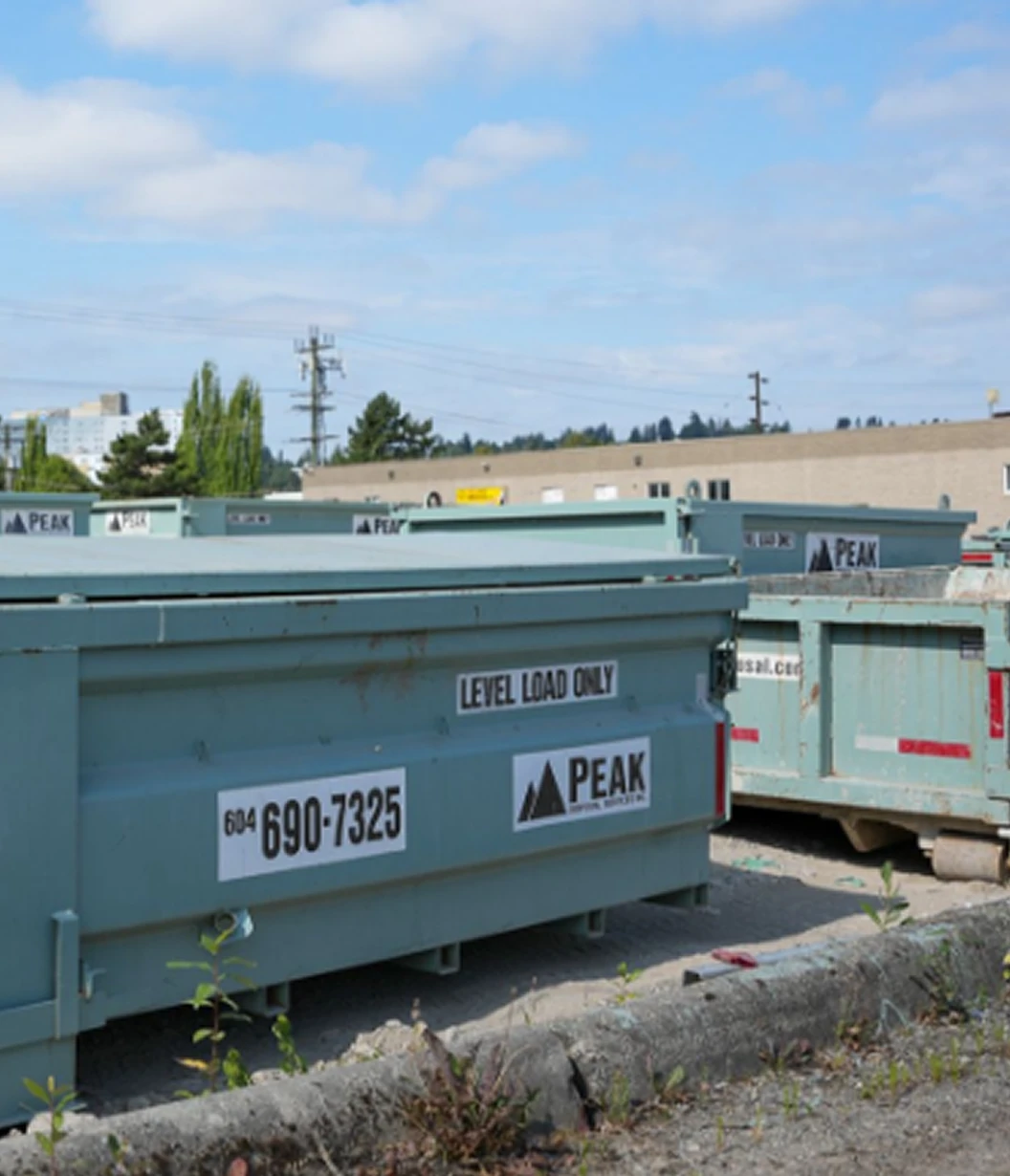
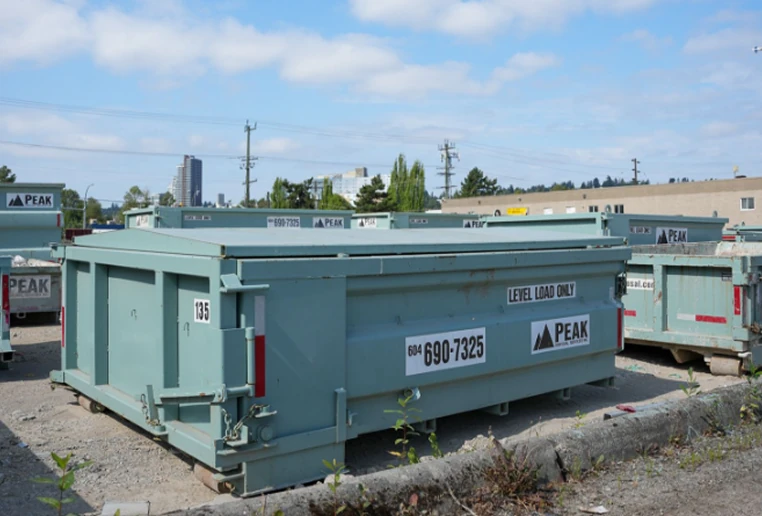
All of our bins have a "Level Load Only" sign on them to remind you not to fill the bin over the rails. Any items above the top will be removed, or you will be requested to off load material before we can safely haul the bin.
The bin can be kept for up to 7 days. Call us if you want to keep the bin any longer.
Yes, you have to call the office to schedule a pickup
Call us and we will get you an empty bin as soon as possible.
For retail customers payment can be made through Visa, MasterCard, or Cash. Before we drop the bin at your home we will require payment.
Generally, the cost of the bin depends on the type of material you are putting into the bin and the location we are sending the bin to. Please contact us and we will be pleased to give you a quote on the spot by telephone.
This depends on the type of construction work, debris volume, and material weight. Heavy materials generally require smaller bins to maintain safe hauling limits.
Some mixed debris is permitted, though separating certain materials may improve disposal efficiency and recycling outcomes.
Yes. The bins have doors that open, making them easier to load. Before pickup, the door must be fully closed and securely latched in place. We cannot pick up the bin if the door cannot be properly closed and secured.
Get dependable construction bin rental, coordinated hauling support, and flexible scheduling for demolition, renovation, and active construction projects.


"Peak Disposal's customer service is top notch, very honest, reliable and so responsive! Highly recommended."