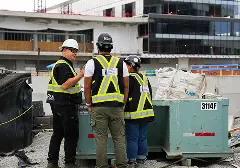
Concrete removal is a routine part of many construction, demolition, renovation, and landscaping projects. While breaking up a driveway, foundation, retaining wall, or concrete slab may seem straightforward, hauling the material requires careful planning because concrete is one of the heaviest waste streams generated on a job site.
Experienced contractors know that successful concrete disposal is rarely about filling the largest available dumpster. Instead, it involves selecting the right container, estimating material quantities before demolition begins, separating concrete from other debris, and coordinating hauling throughout the project.
Understanding these practices can help improve efficiency, reduce unnecessary transportation challenges, and keep projects moving smoothly from demolition to final cleanup.
Here is the Quick Answer:
Contractors help avoid overweight concrete loads by planning before demolition begins. Common best practices include:
- estimating how much concrete will be removed before ordering a bin
- selecting a dumpster suitable for dense materials
- keeping concrete separate from other construction debris
- coordinating hauling throughout the project instead of waiting until the end
- discussing material type and project scope with dispatch before delivery
Because concrete reaches transportation weight limits much faster than most construction materials, planning for weight is generally more important than planning for volume.
Why Concrete Bins Become Overweight So Quickly
One of the biggest misconceptions about concrete disposal is that a dumpster is ready for pickup only when it appears full.
Concrete behaves very differently from lighter construction materials such as wood, drywall, insulation, cardboard, or packaging waste. Even a partially filled dumpster can contain a substantial amount of weight.
For this reason, transportation weight often becomes the limiting factor long before the container reaches its full volume. Contractors therefore evaluate projects based not only on how much space the debris will occupy but also on how much weight the completed load will safely transport.
Understanding the difference between weight and volume is one of the most important aspects of planning concrete removal. Contractors who want a broader overview can also review the factors that affect concrete disposal costs in Metro Vancouver.

Why Bigger Dumpsters Don’t Solve the Problem
It may seem logical that a larger dumpster would automatically be better for concrete removal, but that is not the case.
Large dumpsters are intended for bulky materials generated during commercial renovations, warehouse cleanouts, demolition projects, and large construction jobs. Filling these containers entirely with dense materials such as concrete, brick, soil, or masonry will result in transportation weight becoming the limiting factor well before the available space is used.
For y concrete removal projects, smaller dumpsters provide a more practical solution because they help manage dense materials while supporting safer hauling operations.
Selecting the right dumpster is therefore less about choosing the largest container and more about matching the container to the type of material being removed.

How Contractors Plan Concrete Removal Before Demolition Starts
Professional contractors rarely wait until demolition is complete before thinking about disposal.
Planning typically begins before any concrete is broken up by considering factors such as:
- the size and thickness of the concrete being removed
- whether the project involves reinforced concrete
- available loading equipment
- site accessibility
- expected hauling schedule
- suitable dumpster placement
Estimating these factors early helps determine the most appropriate container and reduces the likelihood of interruptions once demolition begins.
For larger projects, contractors often coordinate multiple pickups throughout the work rather than relying on a single container for the entire project.
1. Keep concrete separate from other materials
Concrete is easier to manage when it remains separate from other construction debris.
Mixing concrete with materials such as wood, drywall, insulation, roofing materials, plastic, or general construction waste increases handling complexity and reduces opportunities for recycling or material recovery at receiving facilities.
Keeping concrete in its own waste stream whenever practical helps simplify loading, transportation, and processing while supporting more efficient project coordination.
2. Choose the right dumpster size
Selecting the appropriate dumpster is one of the most important decisions in any concrete removal project.
Rather than focusing only on container capacity, experienced contractors consider:
- expected transportation weight
- project scope
- site conditions
- loading method
- access for delivery and pickup
For many concrete projects, smaller containers such as Peak Disposal’s 8-yard dumpster and 10-yard dumpster are commonly considered because they are better suited to managing dense materials and transportation weight. The appropriate size and allowable load still depend on the material, project scope, hauling configuration, and instructions provided by dispatch.
Larger dumpsters remain valuable for projects generating substantial amounts of bulky, lighter debris, but they are not intended to be filled with concrete.
3. Don’t exceed the planned load
Even when the correct dumpster has been selected, concrete can reach its planned transportation weight before the bin appears full. Contractors should therefore follow the loading guidance provided for the project rather than using the top edge of the container as the only indication of capacity.
Common precautions include:
- keeping material at or below the approved loading level;
- distributing the load as evenly as practical;
- avoiding unapproved mixed materials;
- stopping loading when the planned quantity has been reached;
- contacting dispatch before adding more material when the load is uncertain.
Proper loading helps support safer transportation and reduces the likelihood of collection delays or additional hauling requirements.
4. Coordinate pickup throughout the project
Concrete removal often occurs over several stages of demolition rather than all at once.
Instead of allowing debris to accumulate until the end of the project, contractors frequently coordinate hauling throughout construction. Scheduling pickups as work progresses helps maintain a safer, more organized job site while keeping enough disposal capacity available for ongoing demolition.
For larger commercial or redevelopment projects, coordinating hauling schedules can be just as important as selecting the correct dumpster.
Common Mistakes That Lead to Overweight Loads
Many overweight loads result from planning assumptions rather than unexpected circumstances.
Common examples include:
- choosing a dumpster based only on volume
- assuming larger bins are always the best option
- underestimating how much concrete will be removed
- mixing concrete with other demolition debris
- continuing to load the bin instead of arranging pickup or an exchange when the planned load is reached
- not discussing the material type before delivery
Understanding these common issues helps contractors make more informed decisions before work begins.

How Peak Disposal Helps Plan Heavy-Material Projects
Concrete removal requires more than simply delivering a dumpster to a job site.
Peak Disposal supports contractors and builders with coordinated construction bin rental planning based on material type, project scope, site access, and hauling requirements.
By coordinating delivery schedules, pickup timing, and dumpster selection around the needs of each project, Peak Disposal helps support more organized concrete removal from demolition through final collection.
Whether the project involves replacing a residential driveway or managing a larger commercial redevelopment, planning ahead helps improve efficiency throughout the hauling process.
When Concrete Disposal Planning Matters Most
Concrete removal is different from disposing of general construction waste because planning is driven primarily by material weight rather than container volume.
If your project involves removing a driveway, patio, foundation, retaining wall, garage slab, or other concrete structure, choosing an appropriate dumpster and coordinating hauling before demolition begins can help reduce unnecessary delays and support more efficient waste management throughout the project.
If you’re unsure which dumpster best suits your project, Peak Disposal can help evaluate your material type, project scope, and site conditions before recommending an appropriate disposal solution.
Need help planning concrete disposal?
Every concrete removal project is different. Material quantity, weight, site access, and loading conditions all influence the most appropriate disposal approach.
Peak Disposal helps homeowners, contractors, builders, and project managers choose suitable dumpsters for heavy-material projects while coordinating delivery and hauling around the needs of each job. Whether you’re removing a residential patio or managing a large commercial demolition, practical planning before work begins can help keep the project organized from start to finish.